
Hub Culture Davos 2026: From Davos to Rome: Reimagining Leadership for the Common Good
From Davos to Rome: Reimagining Leadership for the Common Good Join Handshake at Davos for an exclusive preview of The Borgo Dialogues, launching in Rome in June 2026 to mark the 10th anniversary of Laudato Si’. This dynamic session explores the moral tensions shaping leadership today—spanning AI and human dignity, global migration, and the cultural power of sport—through the integrated lens of ecology, economy, and the common good. Together, we’ll set the stage for a global community committed to courageous, values-driven leadership.

Hub Culture Davos 2026: Vital Voices and Handshake ICONS dinner
V-LAB convenes global leaders across the future of health, the business of sport, the rise of AI, and the role of human values to explore the vital forces shaping the next era of human possibility. Grounded in the belief that everyone deserves the chance to thrive physically, mentally, and socially, V-LAB creates space for solutions-driven dialogue across four interconnected pillars: Vitality – The systems that sustain life Victory – The performance that pushes our limits Velocity – The technologies that expand capability Virtue – The values that anchor our shared humanity Together, these dialogues will drive new ideas, new alliances, and a deeper understanding of how vitality — as science, as culture, and as lived experience — can be advanced worldwide.


Hub Culture Davos 2026: David Shrier Explains Why AI Isn’t a Bubble to Edie Lush
Artificial intelligence is everywhere at Davos 2026 — but is it overheated hype, or the early stages of a structural economic shift? In this conversation from the Hub Culture Pavilion, Professor David Shrier, Professor of Practice in AI & Innovation at Imperial College, joins Edie Lush to tackle the hardest questions leaders are quietly asking: Is AI a bubble? What’s really happening to jobs? And why most companies are still using AI the wrong way. Drawing on market data, labor economics, and real-world forecasting experiments, De Cremer argues that AI is not behaving like past tech cycles — and that the real disruption is already showing up in “phantom jobs” that never get created. This discussion explores: • Why AI market dislocation doesn’t equal a bubble • How 29 million “missing jobs” signal structural change, not over-hiring • The difference between replacement, augmentation, and truly additive AI • Why human–AI symbiosis delivers exponential returns • What “intelligence capital” means — and why it’s becoming a CEO-level asset • How leaders must redesign organizations, not just deploy tools • What individuals can do now to build AI literacy without fear The message is blunt: AI doesn’t just automate work — it rewrites how value is created. Companies that treat intelligence as a compounding asset will pull ahead. Those running pilots without rethinking structure will fall behind. This is not speculation. It’s a leadership reckoning. #Davos #Davos2026 #HubCulture #ArtificialIntelligence #AILeadership #FutureOfWork #JobsAndAI #Innovation #IntelligenceCapital #CEOStrategy #GlobalEconomy #TechTrends #AITransformation

OpenAI for Countries - George Osborne interview with Edie Lush in Davos 2026
George Osborne Interview: OpenAI’s Strategy for Global AI Adoption | Davos 2026 In this conversation at Davos 2026, Edie Lush speaks with George Osborne, former UK Chancellor and Head of OpenAI for Countries, to discuss how artificial intelligence is transforming government services, education, and healthcare worldwide. Key Topics: • OpenAI’s government partnerships • Why George Osborne joined OpenAI and his vision for global AI adoption • Understanding “capability overhang” — why some countries are outpacing developed nations in AI usage • How Pakistan, Vietnam, and Morocco are leading AI adoption for economic development • ChatGPT Health: revolutionising healthcare access in Africa and developing regions • AI’s role in boosting productivity and economic growth for nations • Healthcare AI partnerships and reducing doctor administrative burden • Education system transformations through AI in Greece, Kazakhstan, Trinidad, and Estonia Featured Insights:George Osborne reveals OpenAI has already signed agreements with 9 major countries and is in discussions with 50 additional nations. Emerging markets like Pakistan, Vietnam, and Morocco are showing 3x higher AI usage intensity than traditional developed nations — offering a pathway to accelerate economic development and address global inequality. Real-World Applications Discussed: ✓ Partnering with Gates Foundation to bring AI healthcare to underserved African communities ✓ Dutch doctor case study: AI automation of administrative work enables more patient care time ✓ National education system integrations across multiple countries ✓ Productivity solutions for government finance and public services Filmed at: OpenAI Headquarters, Davos 2026 #OpenAI #GeorgeOsborne #EdieLush #AI #Davos2026 #ArtificialIntelligence #ChatGPT #GlobalTech #Healthcare #Education #EconomicGrowth #AIAdoption #FutureOfWork #TechnologyTransformation

Hub Culture Davos 2026: Ancient Future - Biophyllic Urban Design and Regeneration
The future of urban design and infrastructure needs a big rethink. How can we promote and foster biophyllic and nature-first design with materials and systems that are sustainable and progressive? What new techniques for harmonic use of resources and materials exist? How can we regenerate systems and optimize what already exists? Learn about the future of infrastructure, design, community living and more at this session on the future of urban living. With a presentation on Eywa, a company known for its innovative, wellness-focused real estate Moderator: Stan Stalnaker Speakers: Tony Cho and Alex Zagrebelny
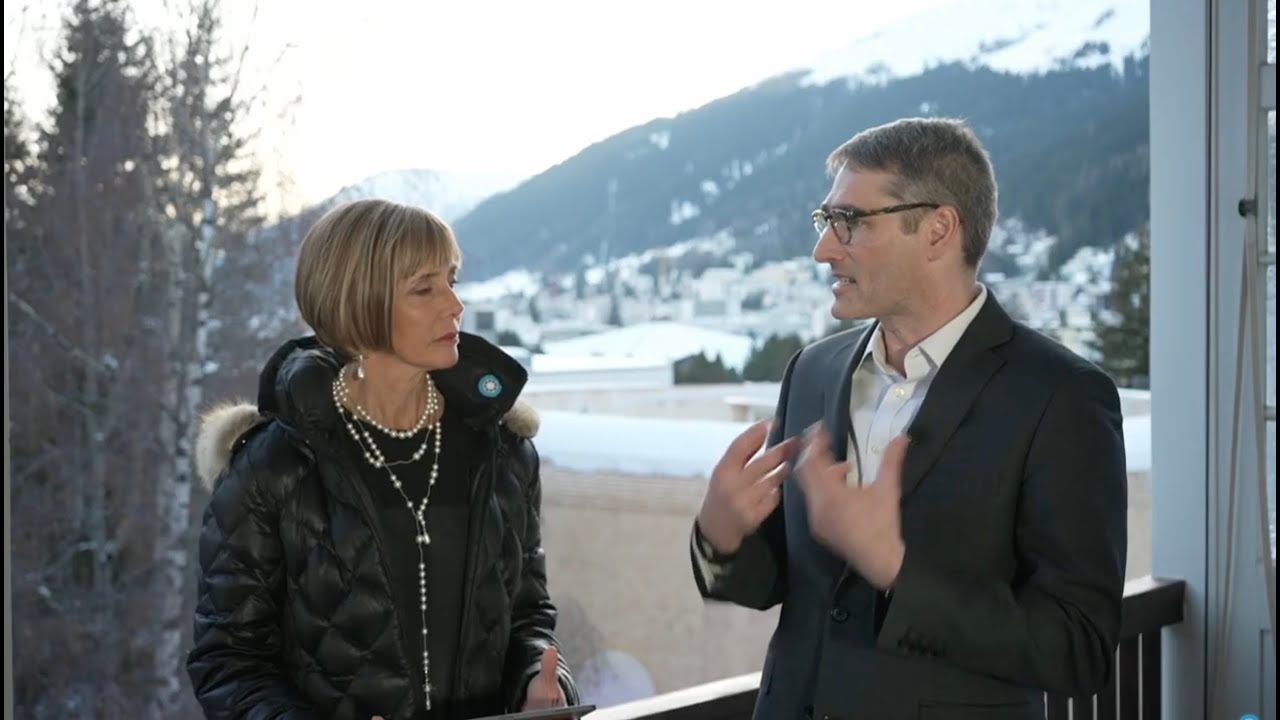
Hub Culture Davos 2026: Neil Simmons of Duke University: The New Currency of AI Is Power
Artificial intelligence is moving at lightning speed — but the energy systems powering it are not. From data centers to grid interconnections, the global race to scale AI is running head-first into a power bottleneck. In this conversation from Davos 2026, Edie Lush sits down with Neil Simmons, Professor of Practice in Mechanical Engineering at Duke University, to unpack the growing tension between AI innovation and energy infrastructure. Simmons explains why the real constraint on AI adoption isn’t algorithms or talent, but electrons on the grid — and why policy, permitting, and infrastructure timelines are struggling to keep pace with technological change. The discussion spans renewables, small modular reactors, legacy energy systems, and the strategic importance of power in an AI-driven economy. As Simmons puts it: the new currency of intelligence is power. A timely conversation on what must change — and how fast — if we want AI to scale responsibly and sustainably. #Davos #Davos2026 #ArtificialIntelligence #EnergyTransition #AIInfrastructure #CleanEnergy #ClimateInnovation #FutureOfAI #HubCulture
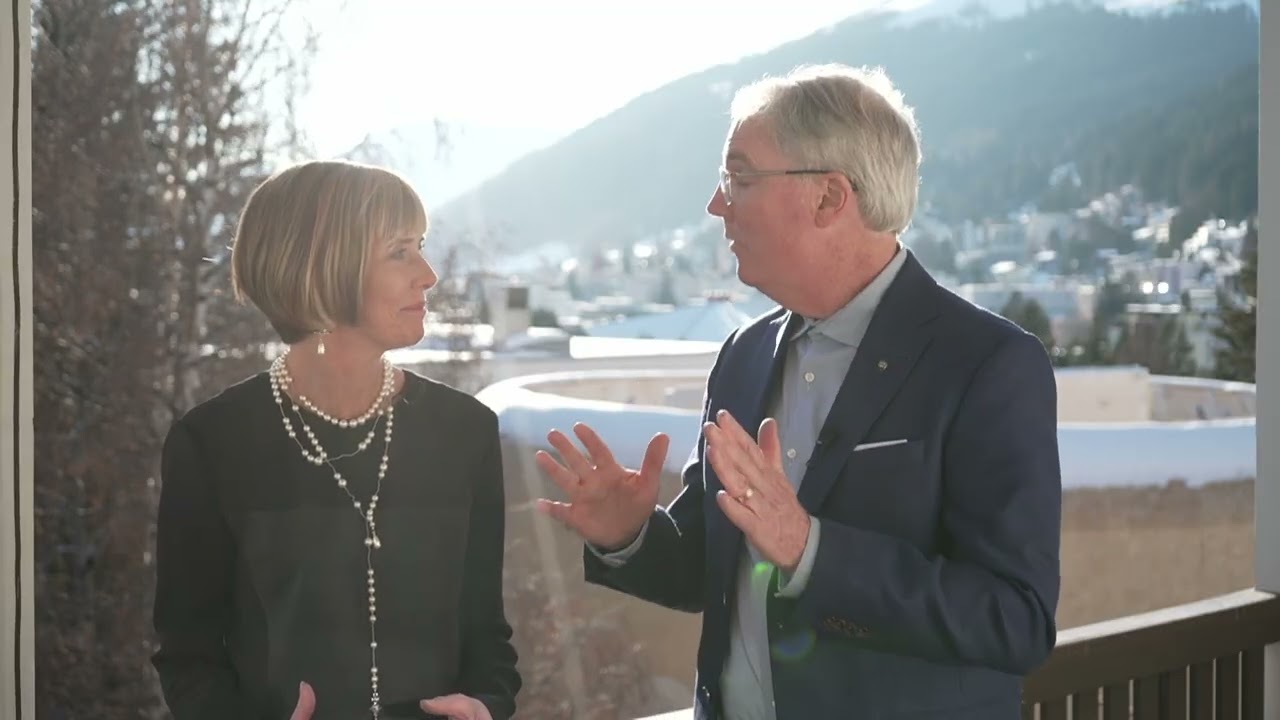
Hub Culture Davos 2026: Art Valentine on the AI Skills Gap That Could Cost the Economy Trillions
AI is moving fast. Human learning isn’t. At Davos, we sat down with Art Valentine, President of Assessment & Qualifications at Pearson, to unpack a truth most AI conversations skip: technology alone doesn’t create value—people do. Pearson’s latest research shows that up to $6.6 trillion in productivity could be unlocked in the U.S. by 2034 if companies stop chasing tools and start investing in human capability. Credentials, continuous learning, and real-time assessment are becoming the bridge between talent and opportunity in an AI-powered economy. As AI agents enter the workforce and jobs evolve faster than job titles, the winners won’t be those who fear automation—but those who learn how to work with it. This conversation goes beyond hype and straight into what actually matters: ✔ skills that last ✔ trust in outcomes ✔ confidence in humans alongside AI #Davos #Davos2026 #AI #FutureOfWork #WorkforceDevelopment #Skills #LifelongLearning #HumanPotential #AIandHumans #Leadership #Innovation #HubCulture


Hub Culture Davos 2026: Bri Treece Founder and Chief Impact officer of FATHOM, with Edie Lush
“AI isn’t being held back by capability. It’s being held back by trust.” As regulation struggles to keep pace, new governance models are emerging to bridge the gap between innovation and real-world adoption. Bri Treece, Co-Founder & Chief Impact Officer at Fathom, in conversation with Edie Lush at Davos. #Hubculture #Davos #Davos2026 #AIRegulation #TrustInfrastructure #AIGovernance #ResponsibleAI #FutureOfAI
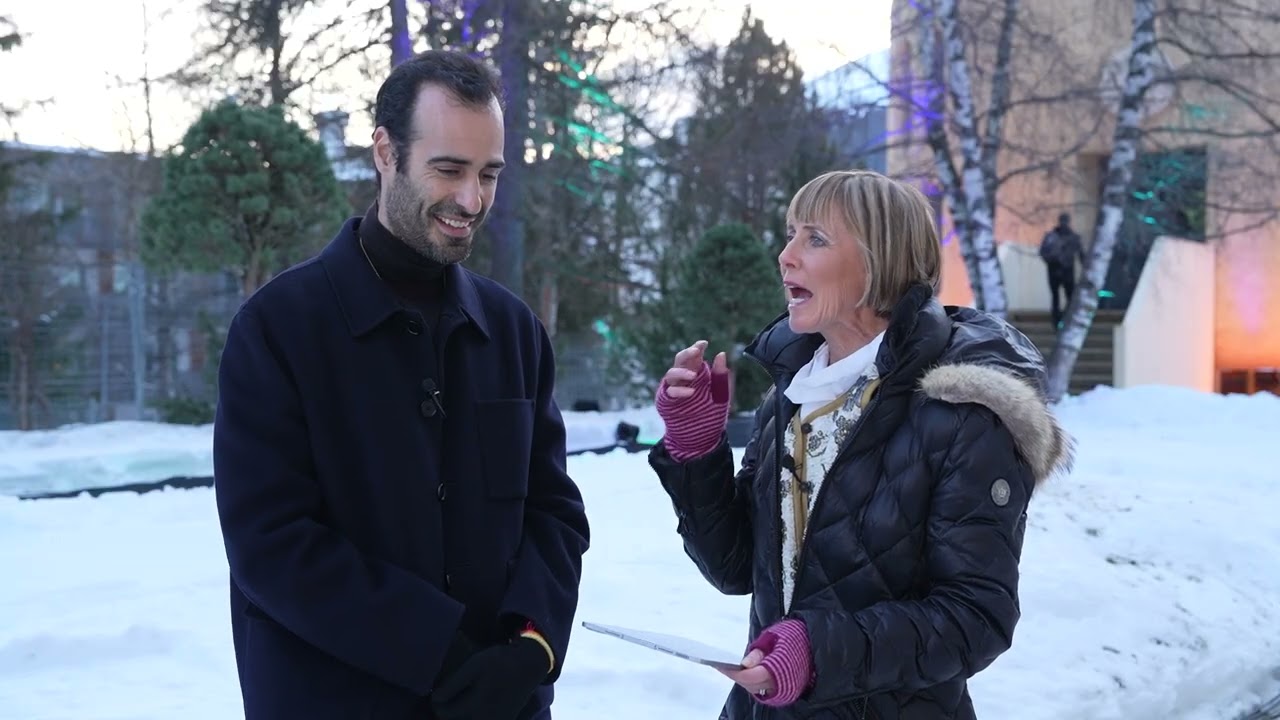
Hub Culture Davos 2026: Francis Pedraza on how AI can Solve Humanity's Biggest Challenges
“Technology isn’t the problem or the solution. We are.” A grounded perspective on AI regulation, education, and why the next phase of progress depends as much on wisdom as it does on code. Francis Pedraza, Founder, President & Executive Chairman of Invisible, speaking with Edie Lush at Hubculture, Davos 2026 #Hubculture #Davos #AIAndSociety #ResponsibleAI #GlobalLeadership #EducationInnovation

Hub Culture Davos 2026: Ariel Ekblaw of the Aurelia Institute on AI in Space!
“AI in Space: The Future of Clean Data Centers” Earth-bound AI is booming — but it comes at a cost. Dr. Ariel Ekblaw explains how orbital AI data centers could slash carbon footprints, harness 24/7 solar power, and unlock new scientific breakthroughs. Space isn’t sci‑fi anymore — it’s the next frontier for tech and climate innovation. #Davos #Davos2026 #SpaceEconomy #AIInfrastructure #ClimateInnovation

Hub Culture Davos 2026: Interview with UCSB's Dr. Douglas McCauley - Save the Whales!
Why does a whale biologist come to Davos? Because the decision-makers shaping global trade, technology, and policy are all in one place—and the solutions already exist. At Davos 2026, Hub Culture’s Edie Lush speaks with Professor Douglas McCauley, marine biologist and Director of the Benioff Ocean Science Laboratory at UC Santa Barbara, about an invisible cost of globalization: the growing collision between global shipping and the world’s great whales. As 90% of global goods move by sea, ships have become the modern-day harpoon—posing one of the biggest threats to whale populations worldwide. McCauley explains how new data has revealed critical “hot spots” where shipping lanes and whale habitats overlap, and why fewer than 7% of these areas are currently protected. The conversation explores how AI-powered hydrophones, satellite forecasting, thermal imaging, and human observation are being combined into a real-time risk system—allowing ships to slow down only when and where whales are present. From policy action at the International Maritime Organization to the role of shipping companies, brands, and governments, this is a powerful example of how technology, regulation, and leadership can align to protect biodiversity at scale.
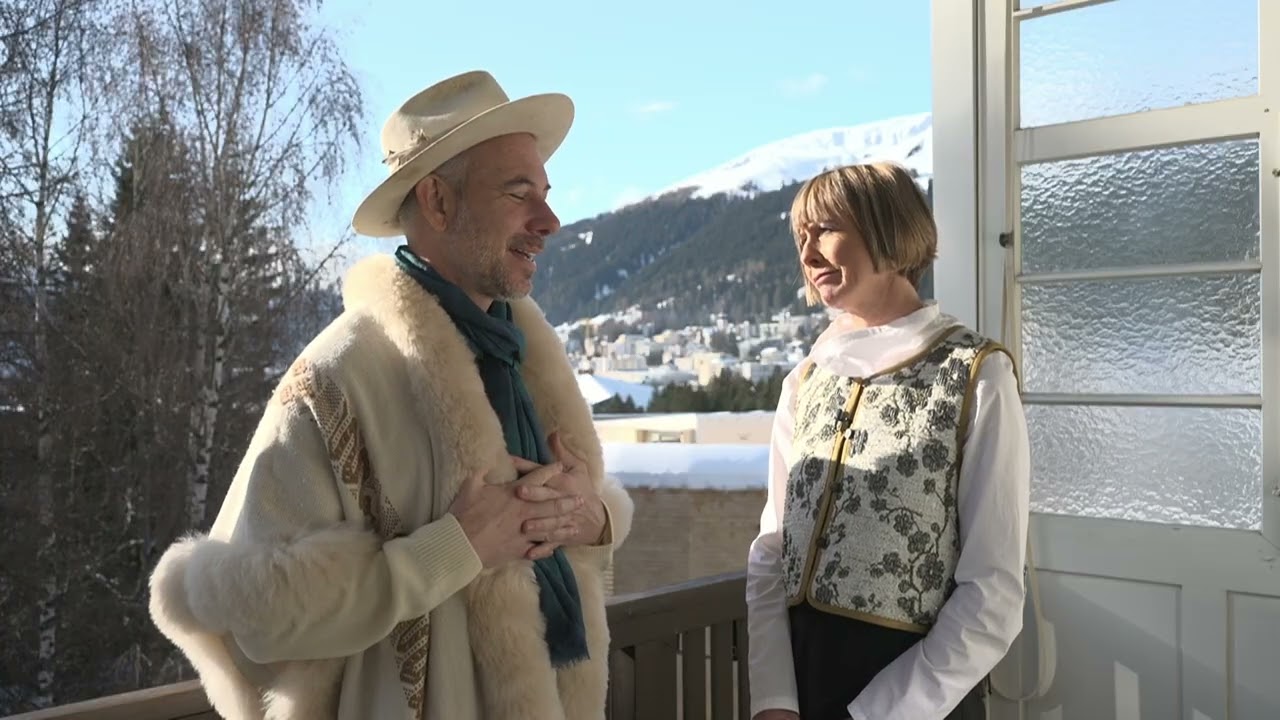

Lucian Tarnowski with Hub Culture's Edie Lush: Can Stories Save Humanity? Davos 2026
“What if the future could guide today’s decisions?” From collective storytelling to AI trained on positive futures, Lucian Tarnowski explores how narrative, technology, and intention might converge to drive systemic change. With Edie Lush at Hub Culture, Davos 2026 #Hubculture #Davos #Davos2026 #ResponsibleInnovation #AIAndSociety #FutureSystems #GlobalInnovation
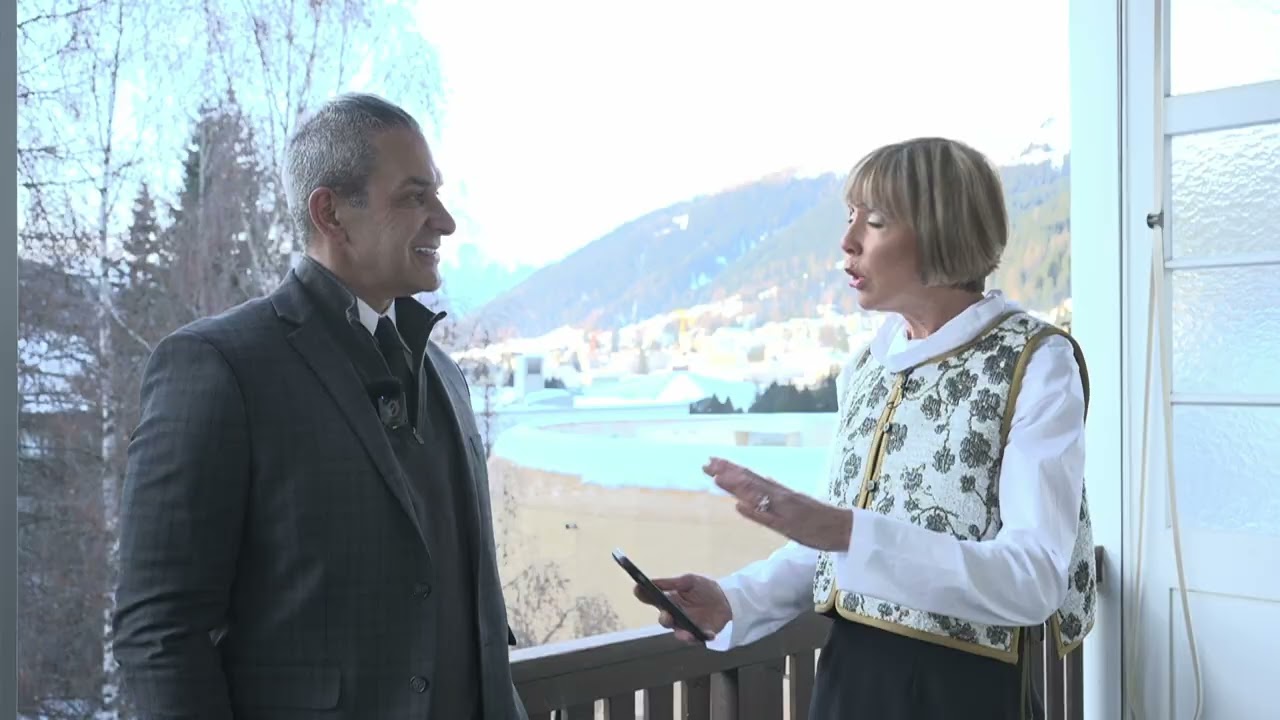
Hub Culture Davos 2026: John Tanyeri of Guggenheim Investments: Investing in a Resilient Future
Davos 2026 with John Tanyeri: Investing in Real Assets for a Resilient Future Join Edie Lush at #Davos #Davos2026 as she speaks with John Tanyeri, Head of Real Assets at Guggenheim Investments. Discover how underinvestment in US infrastructure—$2.7 trillion over the next decade—is creating incredible opportunities in transportation, digital infrastructure, and more. Learn how Guggenheim’s diversified real assets strategy is stabilizing communities while delivering strong returns for investors. #RealAssets #InfrastructureInvestment #Guggenheim #InvestmentStrategy #FutureOfFinance

Hub Culture Davos 2026: Steve Brown of Guggenheim Investments
“Less drama. More discipline.” Why diversification, dry powder, and data-driven decision-making are defining fixed income strategy in today’s markets. Steve Brown, Chief Investment Officer, Fixed Income at Guggenheim Partner Investment Management, with Edie Lush at Davos. #Hubculture #Davos #Davos2026 #MarketOutlook #RiskManagement #CapitalMarkets #InstitutionalInvesting

The Hub Culture Davos Leadership Campus 2026
The 2026 Leadership Campus at Davos includes the Chalet, ICON, ICEhouse, Penthouse Studio, TechLodge and Terrace.

Watersheds: A Crucial Update from COP30 (Part 2)
A view of regional watersheds and their connection to sustainability, from Spherical Labs explores the water cycle from the Amazonia region to California. From the Hub Culture Climate Campus Belém, COP30.

Watersheds: A Crucial Update from COP30
Eliza Herald runs us through the importance of the global watershed and fresh water. With the Amazon at a tipping point the runaway effects of forest loss could spiral, affecting as much as 30% of fresh water around the world. Understand how its all connected in this information packed review at the Hub Culture Climate Campus Belém at COP30.
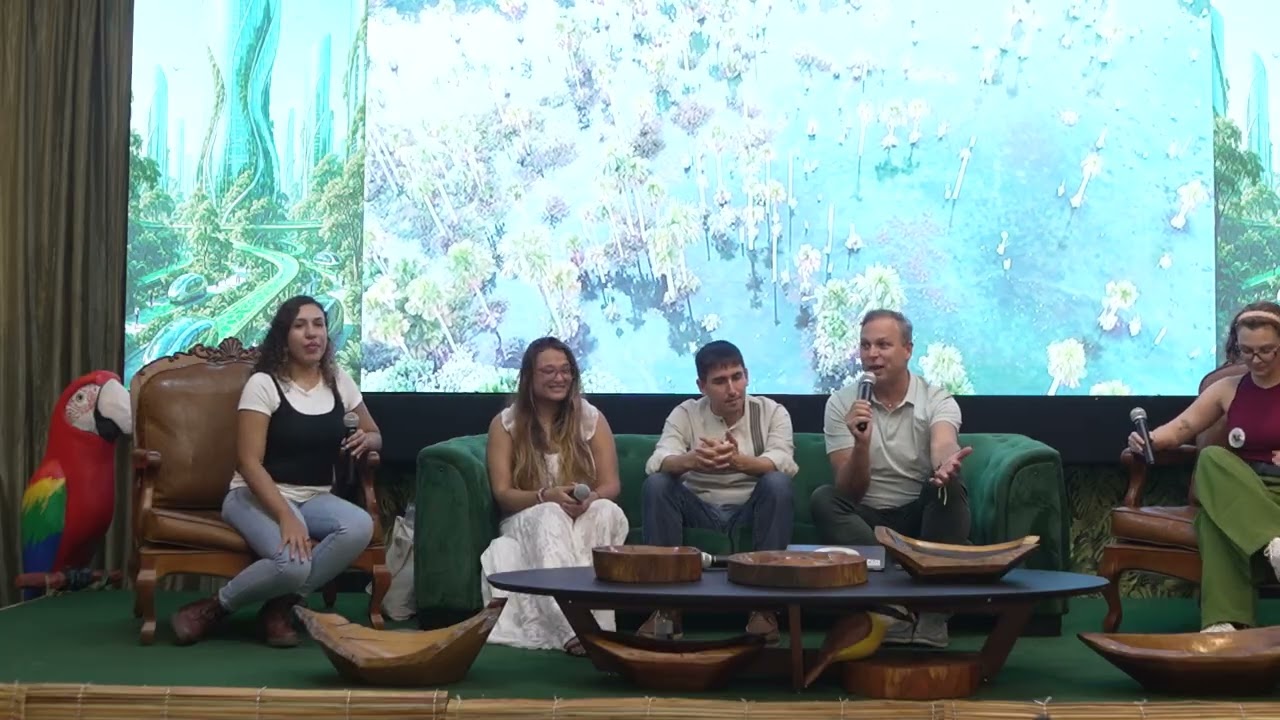
Hub Culture Climate Campus Belém COP30: Outcomes and Commitments w/ Hedera, Ocean Climate Fund, SOA
Outcomes and commitments from Hub Culture and partners including SOA Brazil, Hedera and the Ocean Climate Fund from COP30.


