

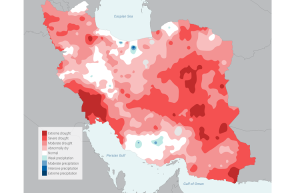
Iran's geographic location places it within one of the driest regions of the world. In recent decades, the impact of climate change has exacerbated water scarcity. Rainfall has become increasingly erratic, with an overall decline in precipitation levels. Higher temperatures have led to faster evaporation of surface water and reduced snowpack in the mountainous regions, a critical source of water for downstream areas.
With dwindling surface water supplies, Iran has increasingly relied on groundwater for agriculture and drinking water. Decades of overpumping have caused severe depletion of aquifers, with the water table in many areas dropping by several meters annually. Land subsidence, a direct result of overextraction, has been reported in cities such as Tehran and Isfahan, causing infrastructure damage and compounding the crisis.
Mismanagement has played a significant role in Iran's water crisis. Large-scale dam construction, often undertaken without proper environmental assessments, has disrupted natural water flow and exacerbated the drying up of rivers and wetlands. Inefficient irrigation techniques, such as flood irrigation, waste vast quantities of water in agriculture, which accounts for over 90% of the country's water consumption.
Rapid urbanization has placed additional stress on water resources. Cities like Tehran, Mashhad, and Shiraz struggle to meet the demands of growing populations, often leading to rationing and frequent shortages. Industrial expansion has further increased the strain on already limited water supplies.
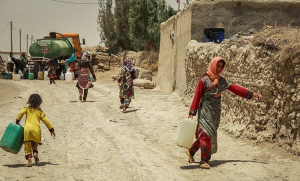
Water scarcity has sparked widespread protests in various parts of the country. In regions like Khuzestan, residents have voiced frustration over water shortages and mismanagement, highlighting the government’s inability to address the crisis. These protests are a stark reminder of how water scarcity can lead to political instability.
The environmental toll of the water crisis is immense. Iconic ecosystems, such as Lake Urmia, have nearly dried up, causing the loss of biodiversity and increased desertification. Wetlands, once vibrant habitats for wildlife, have been reduced to barren land. Dust storms, fueled by dried riverbeds and overexploited soil, have become more frequent, affecting air quality and public health.
Modernizing Iran’s agricultural practices is essential. Techniques like drip irrigation and crop rotation can significantly reduce water wastage. Incentivizing farmers to adopt water-efficient practices and grow less water-intensive crops will also help alleviate the crisis.
Revitalizing Iran’s rivers, wetlands, and lakes must be a priority. Rethinking dam projects and implementing policies to release more water into natural ecosystems can help restore balance. Programs to reforest degraded areas and combat desertification will also strengthen environmental resilience.
Educational campaigns can promote water conservation at the individual and community levels. Simple actions, like reducing household water waste and reusing greywater, can make a significant collective impact.
Iran’s government needs to prioritize transparent and science-based water management policies. Investments in advanced water recycling and desalination technologies can provide new sources of freshwater. Additionally, regional cooperation with neighboring countries on shared water resources could help mitigate transboundary water disputes.