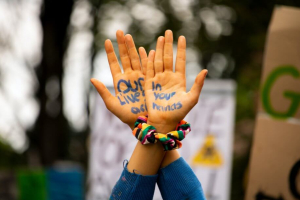


Engage Locally and Set the Stage for Dialogue
The influence of youth on climate action starts locally. Meeting with ministers and local leaders and attending city-level environmental councils can help young advocates build the relationships and knowledge necessary to engage at COP effectively. Rather than viewing leaders as opponents, youth can approach them as partners in dialogue, collaborating to shape Nationally Determined Contributions (NDCs)—the commitments each country makes to reduce emissions and meet climate goals. NDCs 3.0, the next phase of these commitments, will be finalized by February, making now a crucial time for youth to push for ambitious, measurable change.
Leverage the Avocado Plan to Advocate for a Clean Energy Transition
One way to make an impact is by using frameworks like the "Avocado Plan" as position papers for COP discussions. This can serve as a guide for advocating a clean energy transition, focusing on equitable fossil fuel phase-out strategies. Youth can ask how their countries plan to ensure that this transition is fair and inclusive. They can also suggest ways for youth to be part of the process, bringing accountability, fresh ideas, and bold ambition to the table.
Push for the New Collective Quantified Goal (NCQG) to Support Developing Nations

Champion Loss and Damage Compensation with Youth Inclusion
The second key focus of the Avocado Plan is addressing Loss and Damage—the irreversible climate impacts already affecting vulnerable communities. The recently established Fund for Responding to Loss and Damage (FrLD), hosted by the World Bank, aims to support those bearing the brunt of climate disasters. However, operational obstacles risk channeling funds into bureaucracy rather than to those in need. Advocating for direct youth involvement in the management of this fund could streamline its effectiveness, allowing for immediate, grassroots action and youth-driven solutions that reach affected communities.
Promote Nature-Based Solutions (NBS) and Biodiversity Conservation
Nature-Based Solutions (NBS) focus on preserving and restoring ecosystems to fight climate change. Supported by the UNEA resolution 5/5, these solutions provide an avenue to integrate biodiversity into climate action at COP. Youth groups already working on reforestation, conservation, and urban greening projects can use NBS as leverage to seek funding and push for national commitments that align with biodiversity goals. Through NDCs, countries can formally adopt these strategies, and youth voices can ensure they stay on track.
The NCQG also plays a role here, as it facilitates grant-based funding for these initiatives. Youth can advocate for grants directed specifically at intergenerational projects, giving them the resources needed to scale up their impact.